THE SHORT ANSWER
This glossary explains the terms used around film and TV locations, unit bases, trailers and production waste. The ones people ask us about most are a unit base (where a shoot parks its facilities vehicles), a honeywagon (a toilet trailer), a swing (moving kit to the next base or location while the shoot continues), a strike (taking down a set) and DMR (dry mixed recycling).
1.Locations and permissions
| Term | What it means |
|---|---|
| Location | Any place used for filming that isn’t a studio: a house, a street, a park, an office. |
| Location manager | The person who finds locations, secures permission and makes sure each one is handed back as it was found. Usually the person who books waste collection. |
| Recce | A visit to a location before the shoot to plan it. Short for reconnaissance. |
| Call sheet | The daily schedule sent to cast and crew, with call times, locations and key contacts. |
| Wrap | The end of filming for the day, or for the whole shoot. A location wrap clearance happens straight after. |
| BFS | Borough Film Service: the office each London borough runs, or contracts out, to handle filming on its streets and land. |
| Notice of No Objection | An informal letter from some boroughs saying they don’t object to a shoot as described. Not a licence. |
| Residents’ letter | A letter to neighbours and businesses affected by filming, giving dates, times and contacts. |
| Parking suspension | Bays suspended by the council so production vehicles can park legally. |
| MPS Film Unit | The Metropolitan Police team that handles police liaison for filming in London (the City of London has its own police). |
| Code of Practice | Film London’s Location Filming in London Code of Practice: the shared rules for filming across the boroughs. See our film office guide. |
2.Unit bases and facilities
| Term | What it means |
|---|---|
| Unit base | The parking and support area for a shoot: facilities vehicles, catering, welfare and generators. See what is a unit base. |
| Facilities vehicles | The trucks and trailers that support cast and crew: costume, make-up, artist trailers, dining bus, honeywagons. |
| Dining bus | A converted bus or coach where the crew eats. |
| Honeywagon | A toilet trailer for the crew. See our honeywagon guide. |
| Welfare unit | A trailer or cabin with toilets, a seating area and somewhere to warm up, often used on smaller units. |
| Unit manager | The member of the locations team who runs the unit base day to day. |
| Crew parking | Parking for crew cars, usually next to the base, and part of what has to be cleared at the end. |
3.Trailers and transport
| Term | What it means |
|---|---|
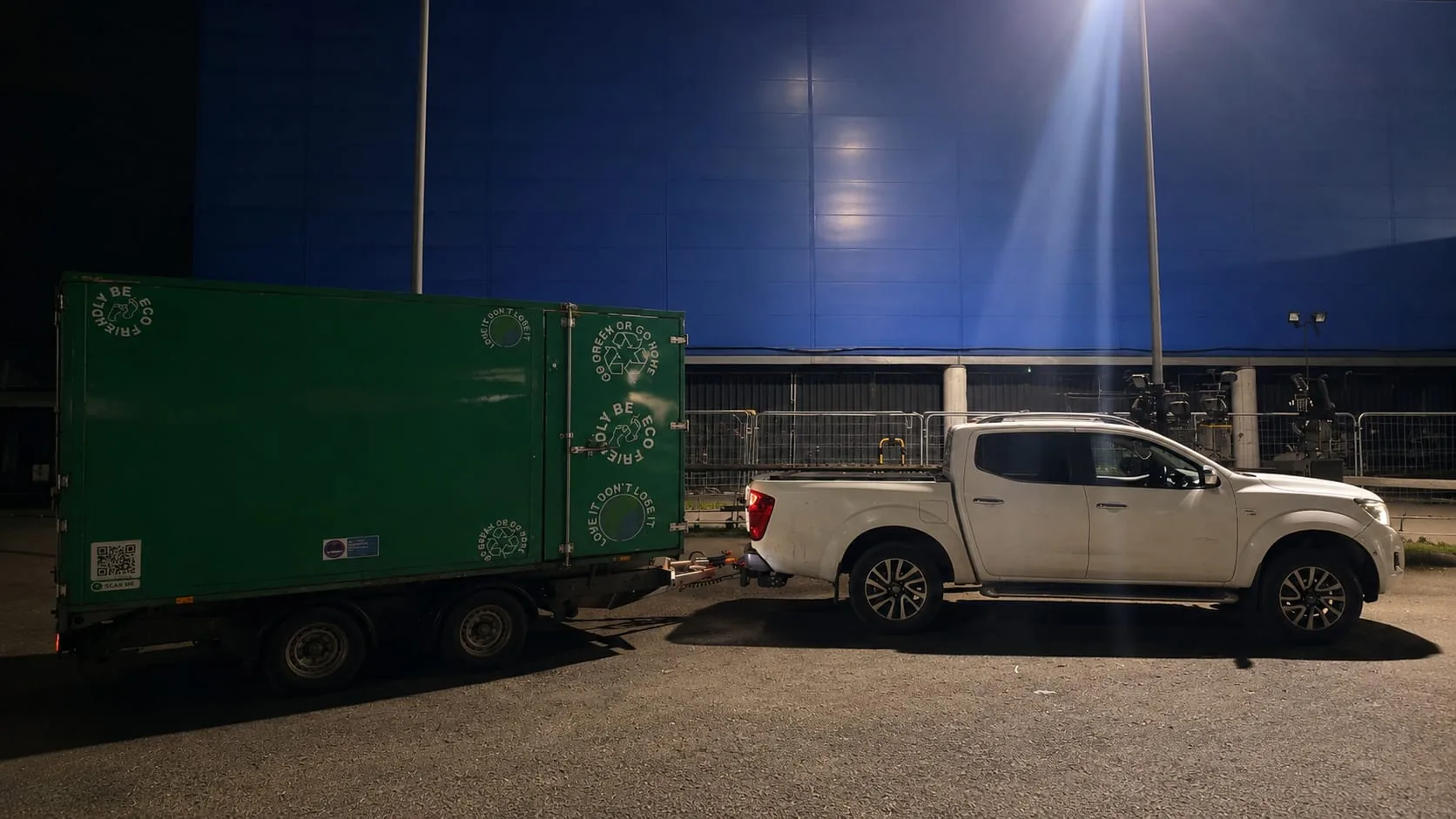
| Swing | Moving kit, such as generators or honeywagons, from one base or location to the next while the shoot carries on. |
| Unit move | Moving the whole unit base to a new site. |
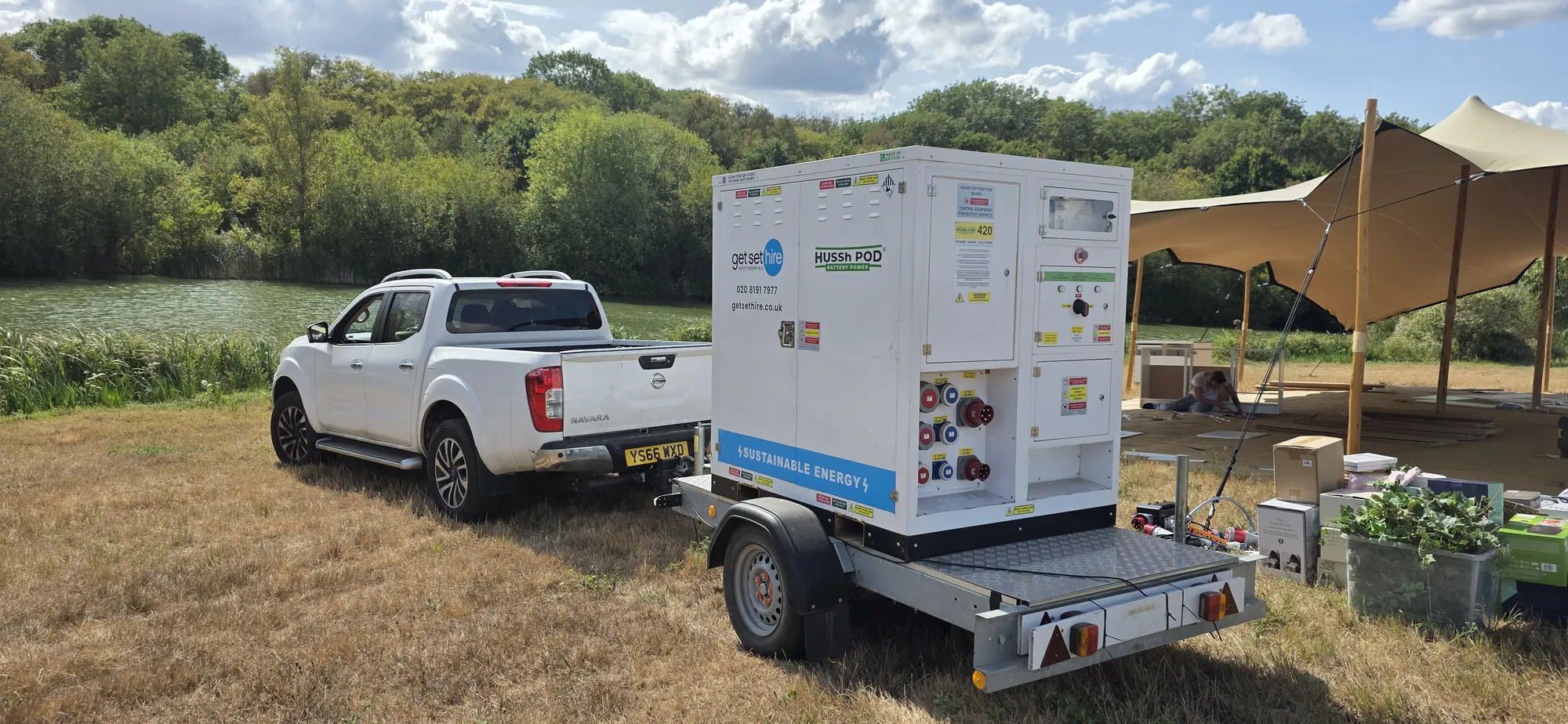
| Generator | The mobile power supply for a base or set, towed on its own trailer. |
| Silent power / eco-pod | Battery or hybrid power units used where generator noise or emissions are a problem. |
| Towerlight | A trailer-mounted lighting mast for night work and big outdoor areas. |
| Water bowser | A towed water tank that supplies catering trucks and welfare units. |
| Dirty water bowser | A tank that collects waste water from catering so it doesn’t go into drains. |
| Tipper trailer | A trailer whose body tips to unload. |
4.Sets and strikes
| Term | What it means |
|---|---|
| Strike | Taking down a set, or clearing a stage, once filming is finished. |
| Flats | The panels, usually timber frames faced with board, that make up the walls of a set. |
| Set dressing | Furniture, props and details placed on a set to make it look real. |
| Greens | Plants, trees and foliage used as dressing. At the strike they become green waste. |
| Studio clearance | Clearing sets, flats, props and backing materials from a stage so the next production can move in. |
5.Waste and recycling
| Term | What it means |
|---|---|
| Waste stream | One type of waste kept separate from the rest, such as cardboard or food. We work with six. |
| DMR | Dry mixed recycling: clean bottles, cans and plastic packaging, collected in clear bags. |
| General waste | Whatever can’t be separated into a recycling stream. |
| Contamination | Food, liquid or the wrong material in a recycling stream. A contaminated load can be rejected. |
| Diversion from landfill | Sending waste to recycling, reuse or energy recovery instead of burying it. |
| Biogas | Gas made from food waste, which our partners produce from separated food waste. |
| Waste carrier licence | The registration anyone needs in England to carry other people’s waste. Ours is CBDU425022. See how to check one. |
| Duty of care | The legal responsibility of whoever produces waste to make sure it’s handled and passed on properly. |
| Green Screen | Film London’s environmental certification scheme, which helps productions in London adopt sustainable working practices. |
| Waste report | A summary of what was collected. Ours shows bags, approximate weight and an estimated carbon impact, free on request. |
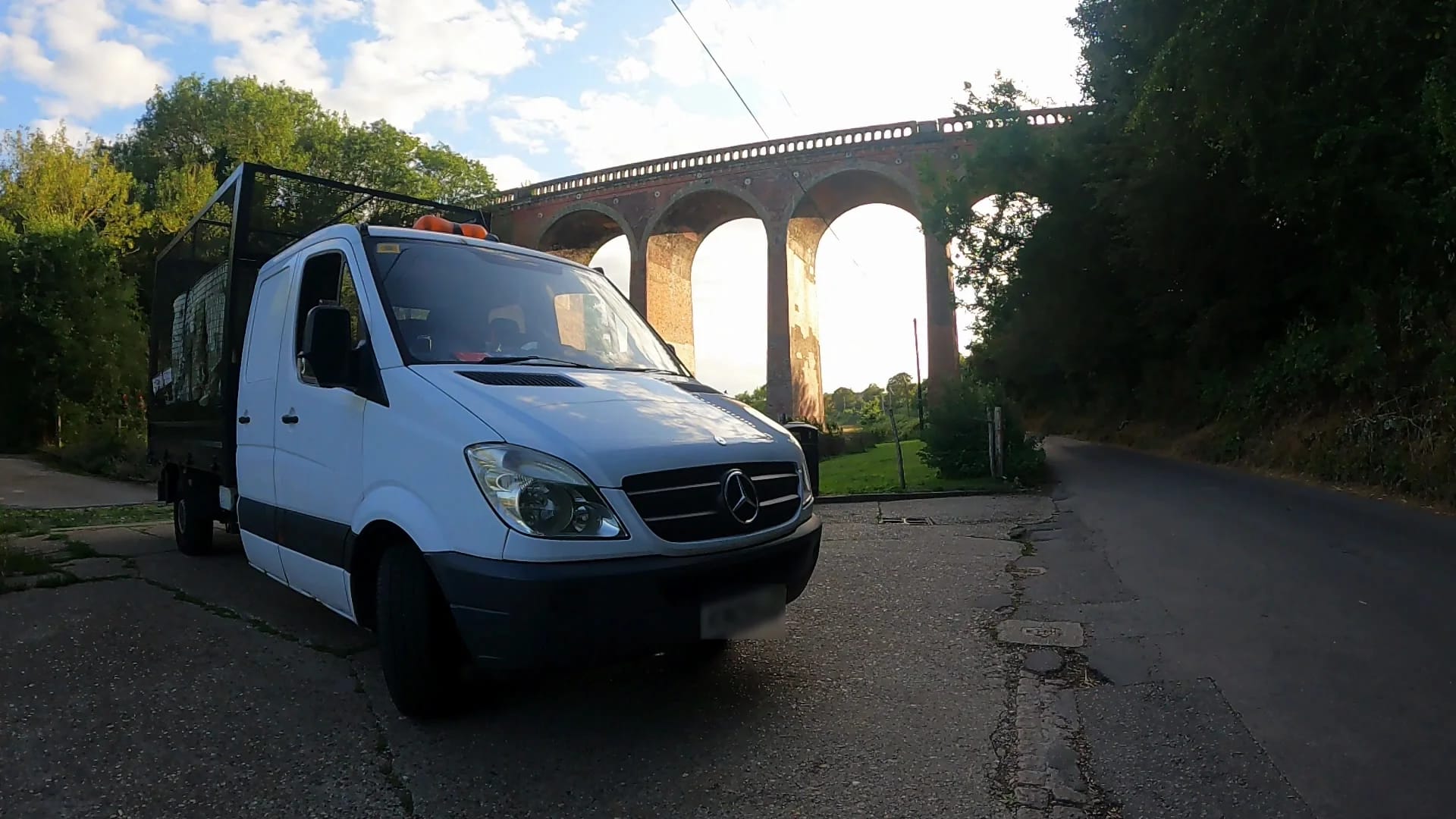
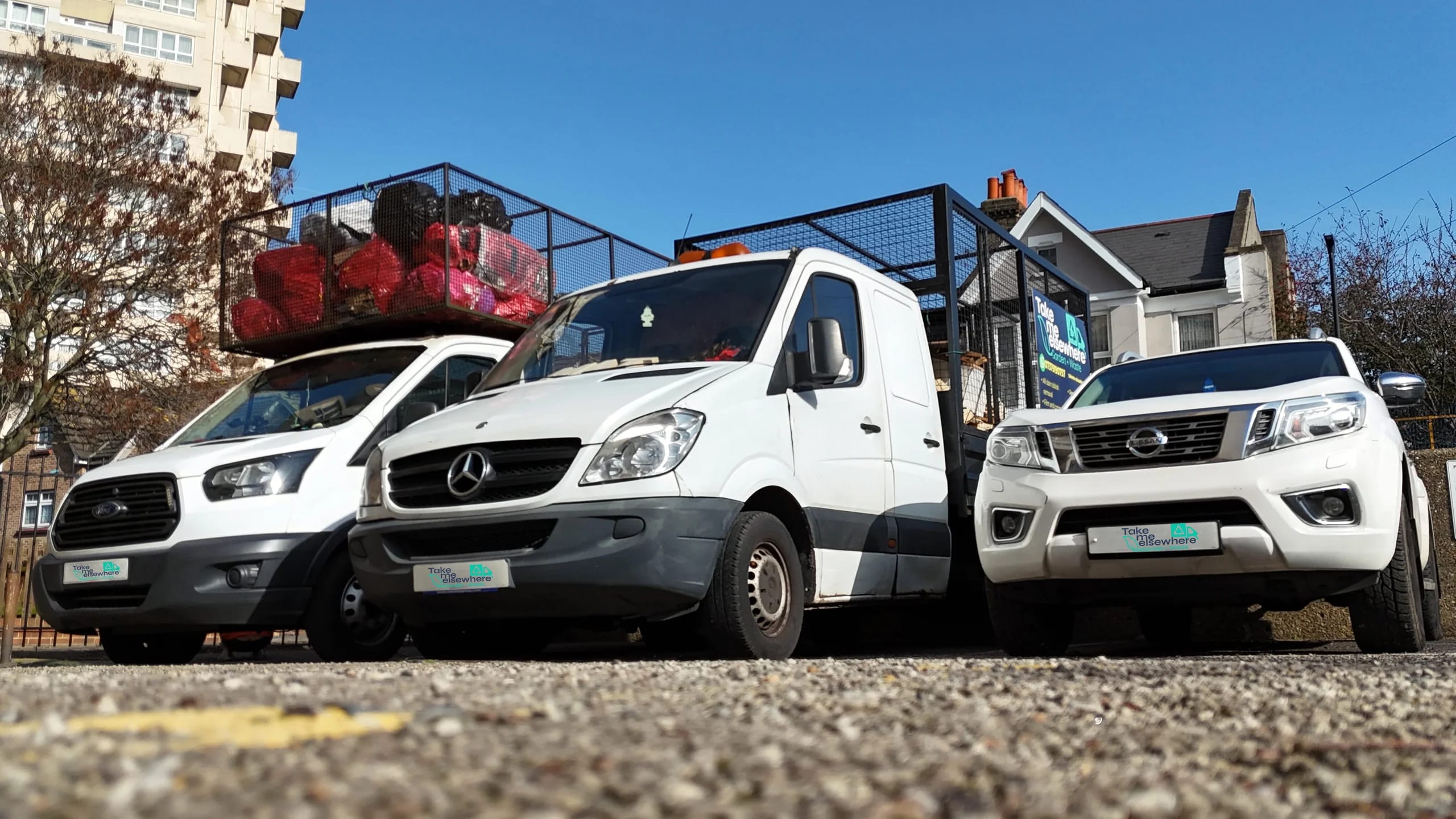
| Whole cage collection | A full caged van of waste, loaded by our crew. From £350. |
Need film & tv waste removal in London?WhatsApp us your photos, call 07379 190757, or build your quote online.