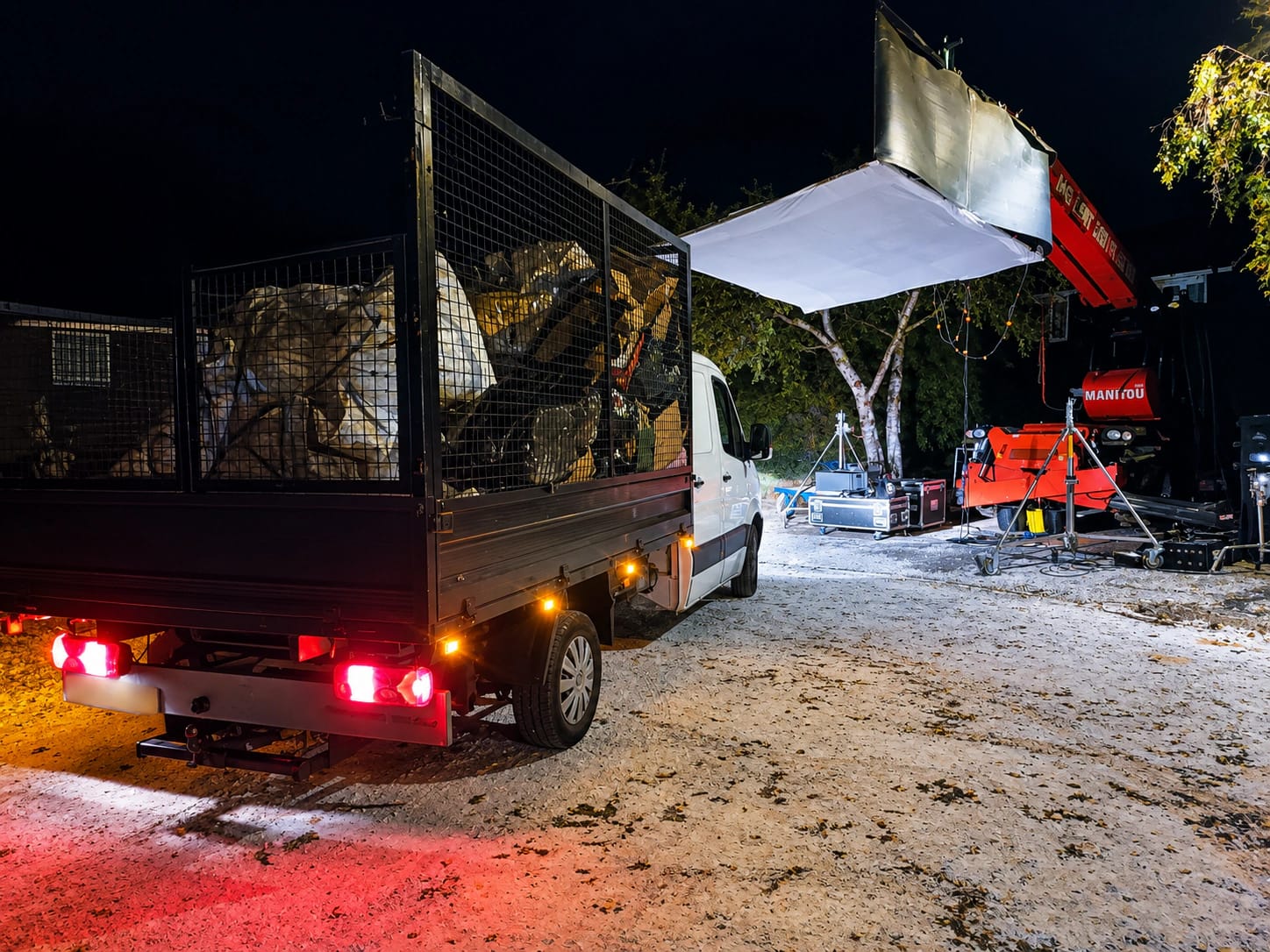
Filming on London streets and public land is handled by each borough’s film service (there are 33 local authorities in London). If your shoot is likely to obstruct the street, you apply to the borough through its film office. Film London advises at least three days’ notice for small crews and at least ten for large or complex shoots. Productions follow Film London’s Location Filming in London Code of Practice, which covers parking, residents’ letters, police, noise and the rule that all litter is removed at the end of filming.
1.Who you deal with
There’s no single London film permit. Each borough has an office that deals with filming, and Film London describes them as the first point of call for on-street filming and filming on public land. Some boroughs run their film office in-house; others contract it to an agency. Either way, the borough film service is who you apply to.
- Borough film services: permission to film on streets and council land, parking suspensions, road closures, and liaison with other council departments.
- The Metropolitan Police Film Unit: police liaison for filming in London. The City of London is the exception; enquiries there go to the City Police.
- Film London: the capital’s screen agency. It publishes the Code of Practice and helps when a dispute arises on location.
- Private landowners: parks, estates, stations and buildings each have their own permissions on top of the borough’s.
2.When you need permission
According to Film London, if filming is likely to cause an obstruction, you must apply to the local authority through its film service. If it won’t cause an obstruction, no licence is legally required, but Film London strongly recommends contacting the borough anyway. The film office can tell you where permission is needed and whether to contact the local police.
Some boroughs issue a Notice of No Objection: an informal letter saying the borough doesn’t object to the filming as described. Not all do, fees vary from free to around £25–£100, and it isn’t a blank cheque. Westminster requires one for any crew using a tripod.
| Shoot size | Notice Film London advises |
|---|---|
| Small crew | At least 3 days |
| Large crew or complex shoot | At least 10 days |
Charges and restrictions vary between boroughs, and so do the notice periods on individual forms such as parking suspensions. Always check the current rules with the borough you’re filming in.
3.What the Code of Practice asks of productions
The Location Filming in London Code of Practice is the shared rulebook for filming across the boroughs. Among other things, it asks productions to:
- Distribute a residents’ letter to residents and businesses affected by filming, with enough notice, giving dates, times, the steps taken to limit disruption and contact details, and send a copy to the film office.
- Agree parking plans with the borough’s film contact, and make every effort to find off-street parking for facilities vehicles. Cones have no legal force to secure parking.
- Agree generator positions in advance, depending on local sensitivities, and agree any playback or megaphone use.
- Consult on night filming with the film contact, residents and businesses during planning.
- Inform the police about filming on the street or in public spaces, and agree staged crimes, prop weapons and special effects in advance.
- Follow no-idling rules for vehicles and other borough environmental rules.
4.The clean-up rules
Two parts of the Code matter most to anyone handling waste on a shoot.
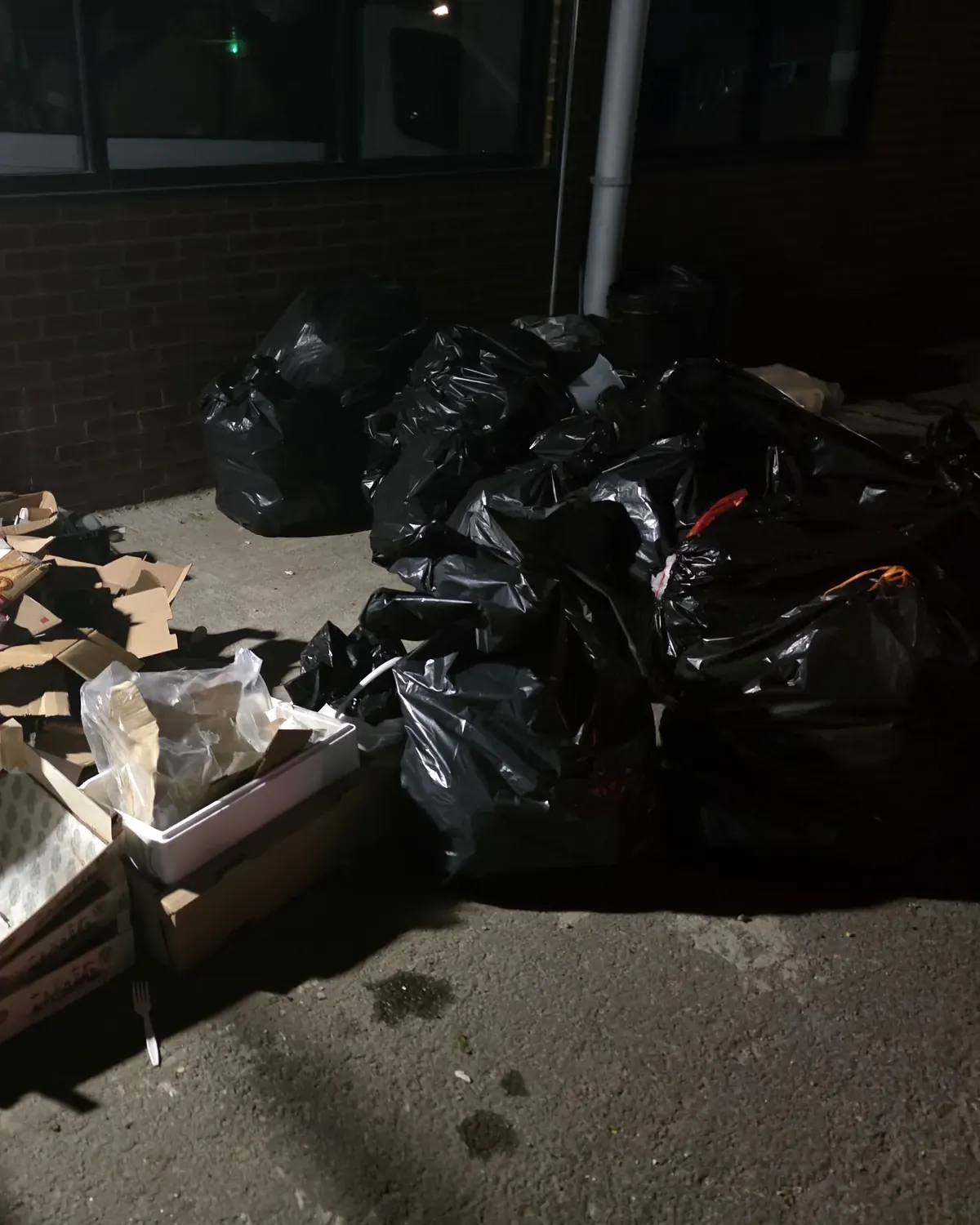
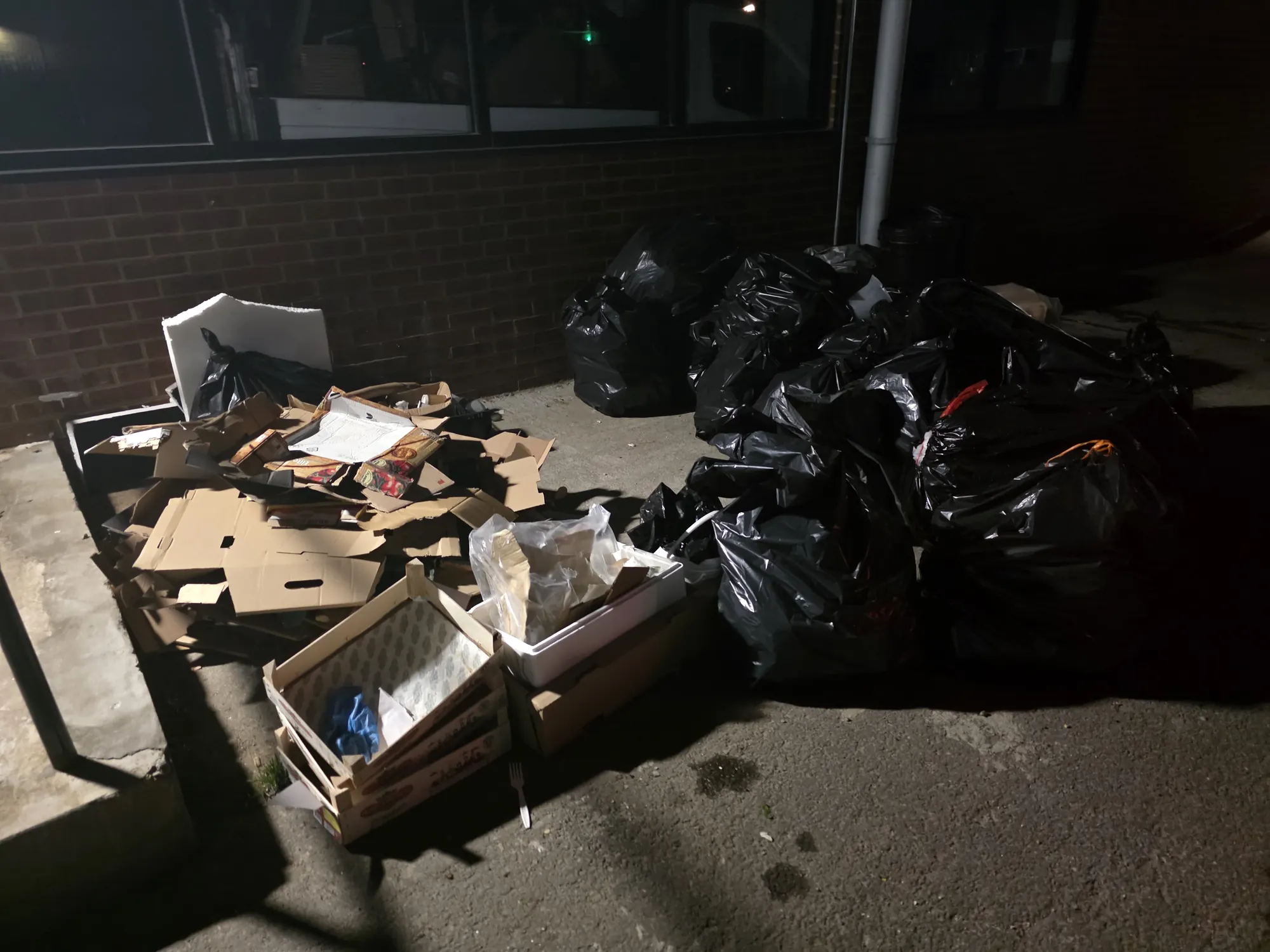
The Code says the production may ask the borough film service to remove litter at local contract rates. Many productions book their own waste carrier instead, so the collection can follow the wrap rather than the council’s timetable. Our location manager’s waste checklist covers how to plan it.
5.Unit bases and parking
Parking is usually the hardest part of a London application. The borough will want to see where technical vehicles, facilities and continuity vehicles will park. Some film offices ask for the unit base as a separate entry on the application, even when it’s next to the set. Parking suspensions in some boroughs are charged per calendar day, so check how your borough counts days before you book an overnight suspension.
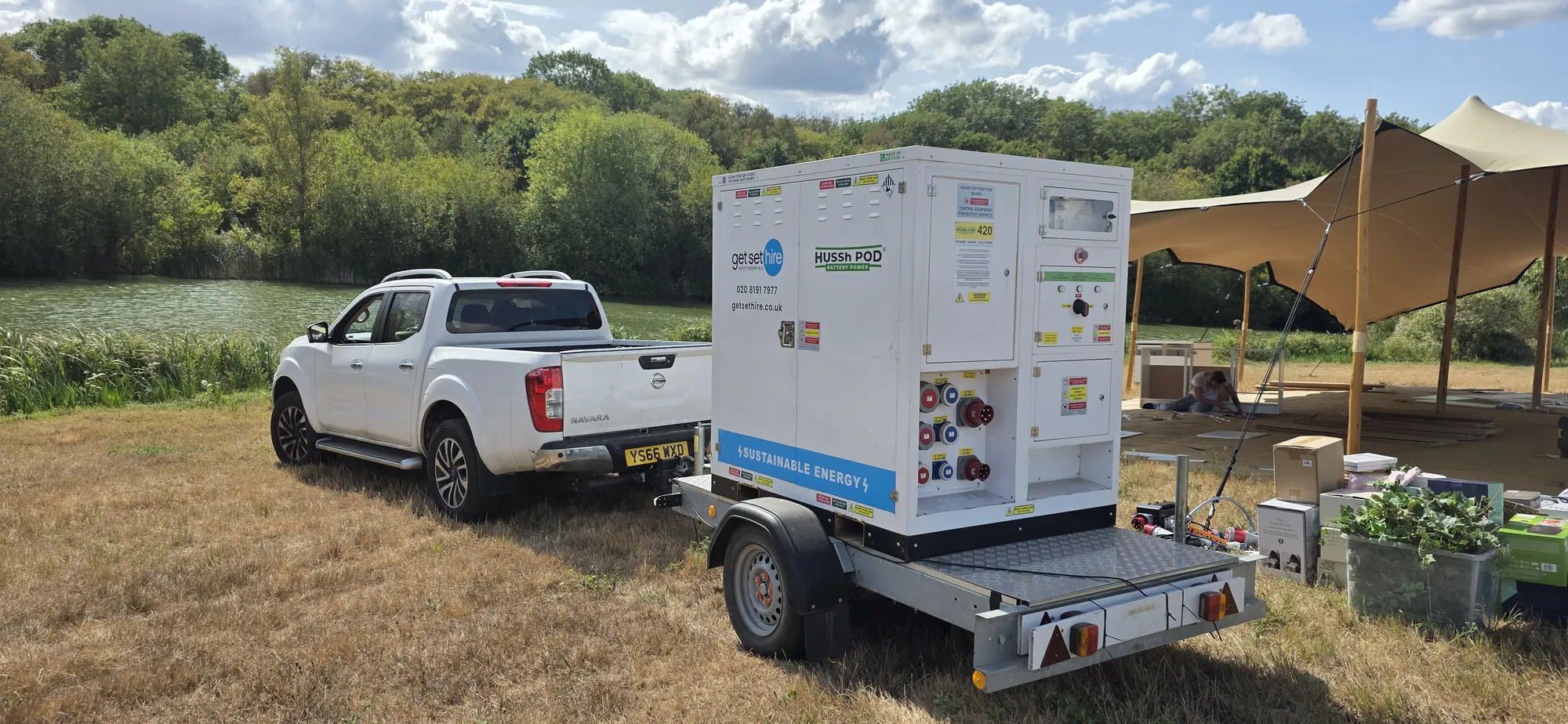
Our guide explains what a unit base is and the waste it produces. If you need generators, honeywagons, towerlights or bowsers moved onto a base, our trailer transport service handles the swings.
6.Filming near our patch
We’re based in Brixton and clear shoots across London, including around the big studio and filming areas in the west, central and south of the city. If you’re filming in Westminster, Ealing or Hammersmith & Fulham, our area pages cover the local work we do there.