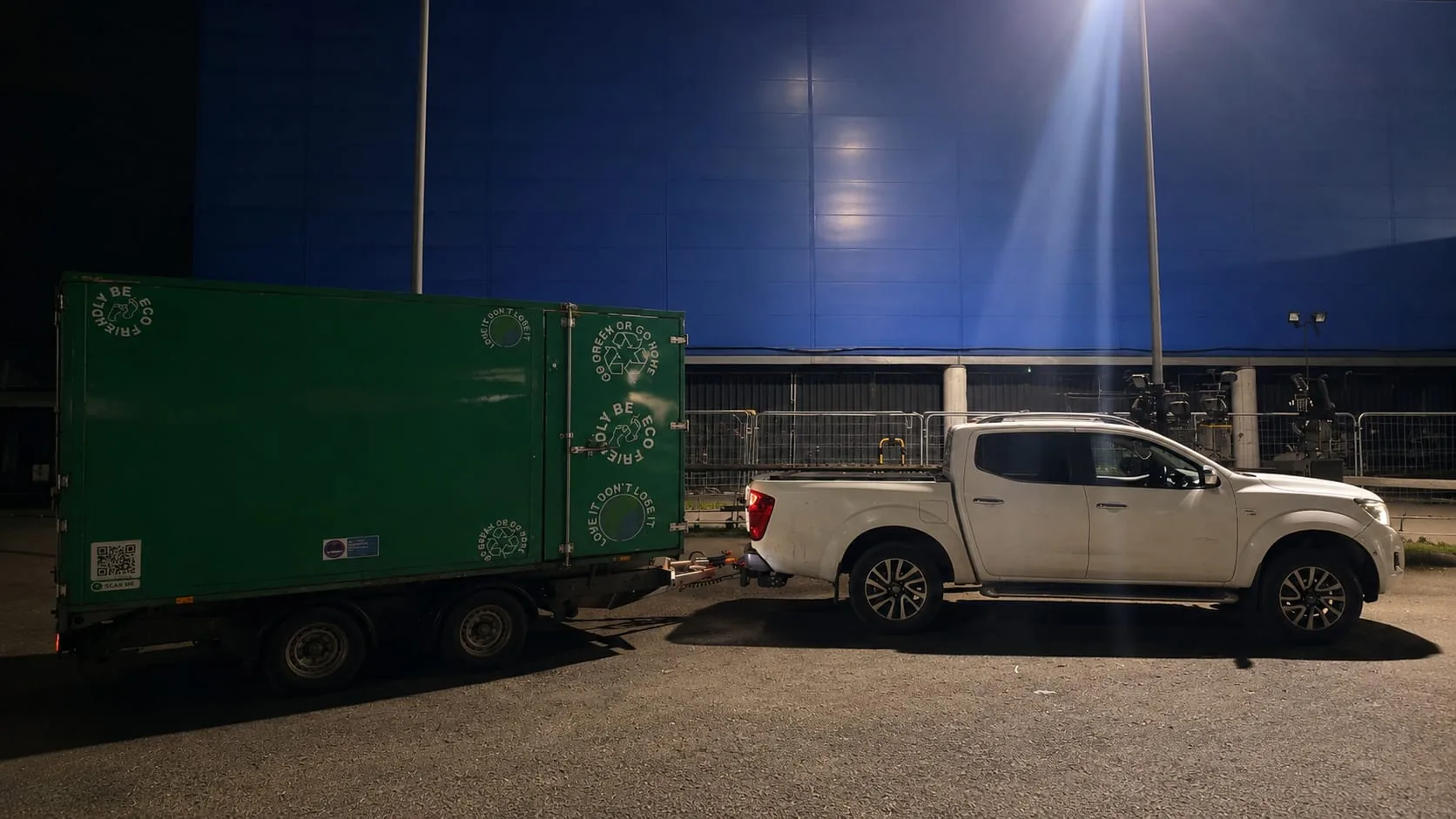
A honeywagon is a toilet trailer for a film or TV crew. It’s a self-contained unit with cubicles, its own fresh water and a waste tank, parked at the unit base or close to set. Honeywagons are hired from facilities companies and towed between bases and locations as the shoot moves. We tow honeywagons and welfare units across London and beyond; a single trailer move starts from £100.
1.What a honeywagon is
On a location shoot there’s rarely a building with enough toilets for the whole crew, and the ones nearby belong to someone else. The production brings its own. In the UK industry that’s a honeywagon: a trailer fitted out with toilet cubicles and hand basins, which can be parked wherever the unit base is.
Honeywagons come in different sizes, from a couple of cubicles for a small unit to large multi-cubicle trailers for a big crew. Smaller units often use a welfare unit instead: a trailer with a toilet, a seating area and somewhere to warm up and make a drink.
They sit alongside the rest of the facilities vehicles on the base. If you’re new to how a base is laid out, start with our guide to what a unit base is.
2.How a honeywagon works on a unit base
A honeywagon is self-contained, which is what makes it useful on location. Three things keep it running:
- Fresh water. Carried in the trailer’s own tank, and topped up from a water bowser if the shoot is long or the base has no supply.
- A waste tank. Emptied by the hire company or a specialist service on a schedule that matches the size of the crew.
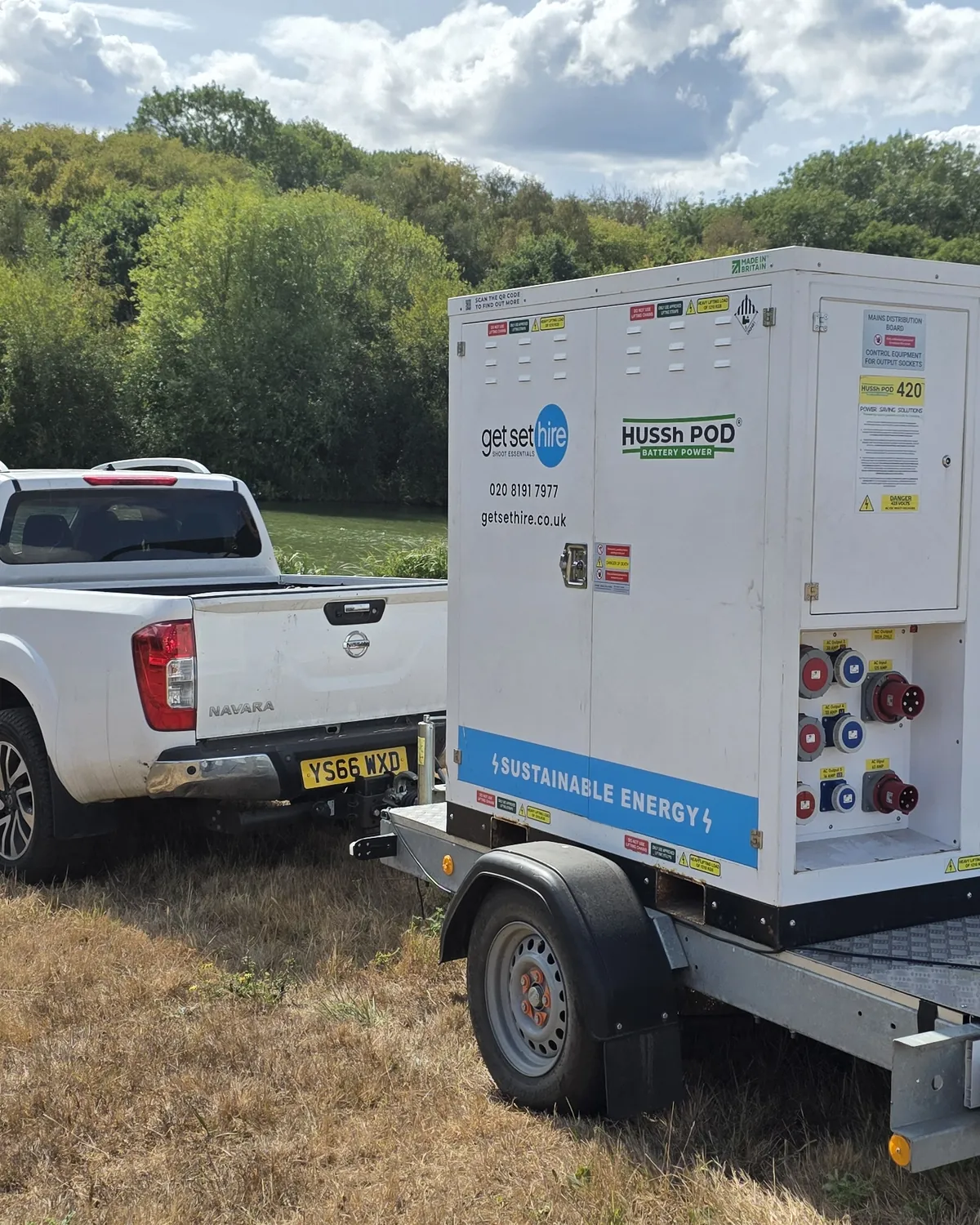
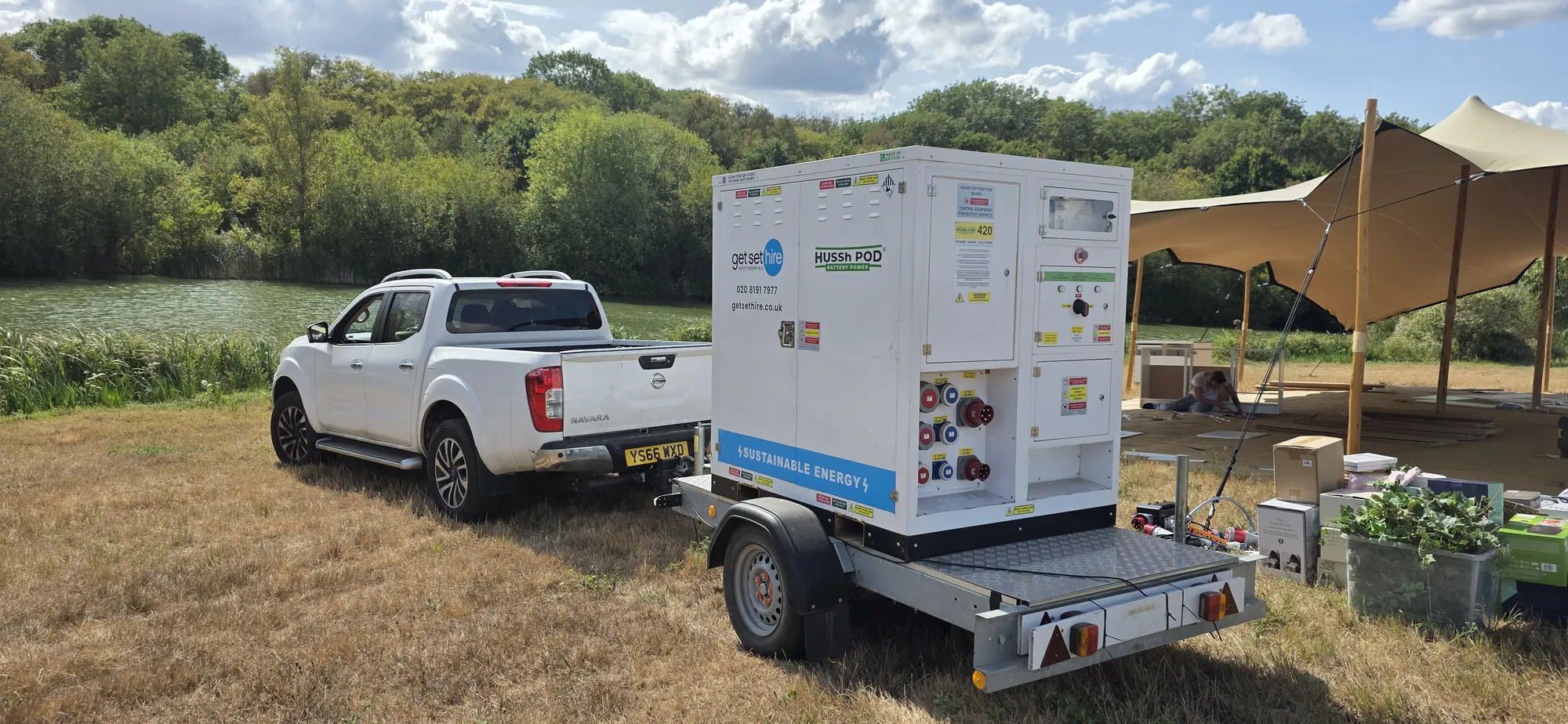
- Power for lights, pumps and heating, which on many units comes from the base generator or a quieter battery unit.
Servicing (emptying the waste tank and refilling water) is arranged with the hire company. Our job is the move: getting the trailer to the right place at the right time and setting it down where it needs to be.
3.Where to put it
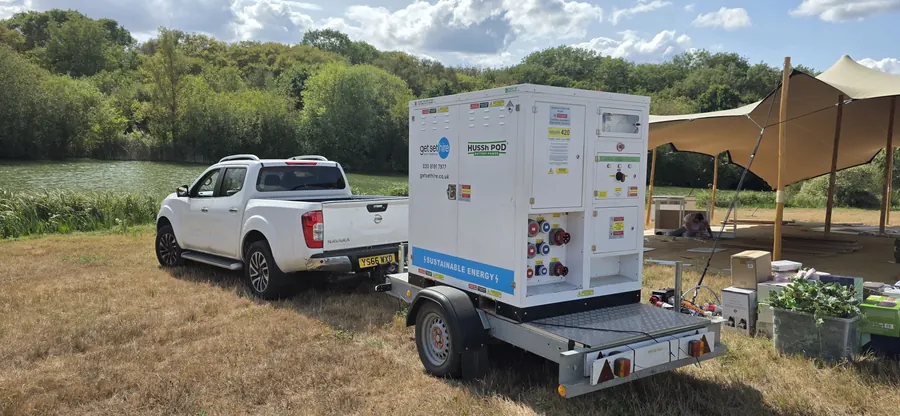
Where a honeywagon sits matters more than people expect. Before the move, agree a spot that works for everyone:
- Level, firm groundA trailer on a slope or soft ground is hard to level and can sink in wet weather. Tell us about the ground so we can plan the approach.
- Away from cateringKeep toilets and the catering truck apart, for obvious reasons.
- Access for servicingThe service vehicle that empties the tank needs to get close. Don’t box the honeywagon in behind other trucks.
- Close enough to the crewA long walk from set wastes time on every break. Find the balance between distance and discretion.
- Respect the neighboursOn residential bases, think about who looks out onto the trailer, and where generators and lights are positioned. Generator positions are usually agreed with the borough film contact.
4.Moving honeywagons: swings and unit moves
Film crews call it a swing: moving kit from one base or location to the next while the shoot carries on, so it’s set up before the crew arrives. Honeywagons are one of the trailers we swing most often, along with generators, water bowsers and towerlights.
Swings happen around the shoot, so early mornings and late nights are normal for us. When a job needs it, our pickups work in pairs (we call them yin and yang), so two trailers can move at once and the unit isn’t split across the day.
5.What we need to quote a move
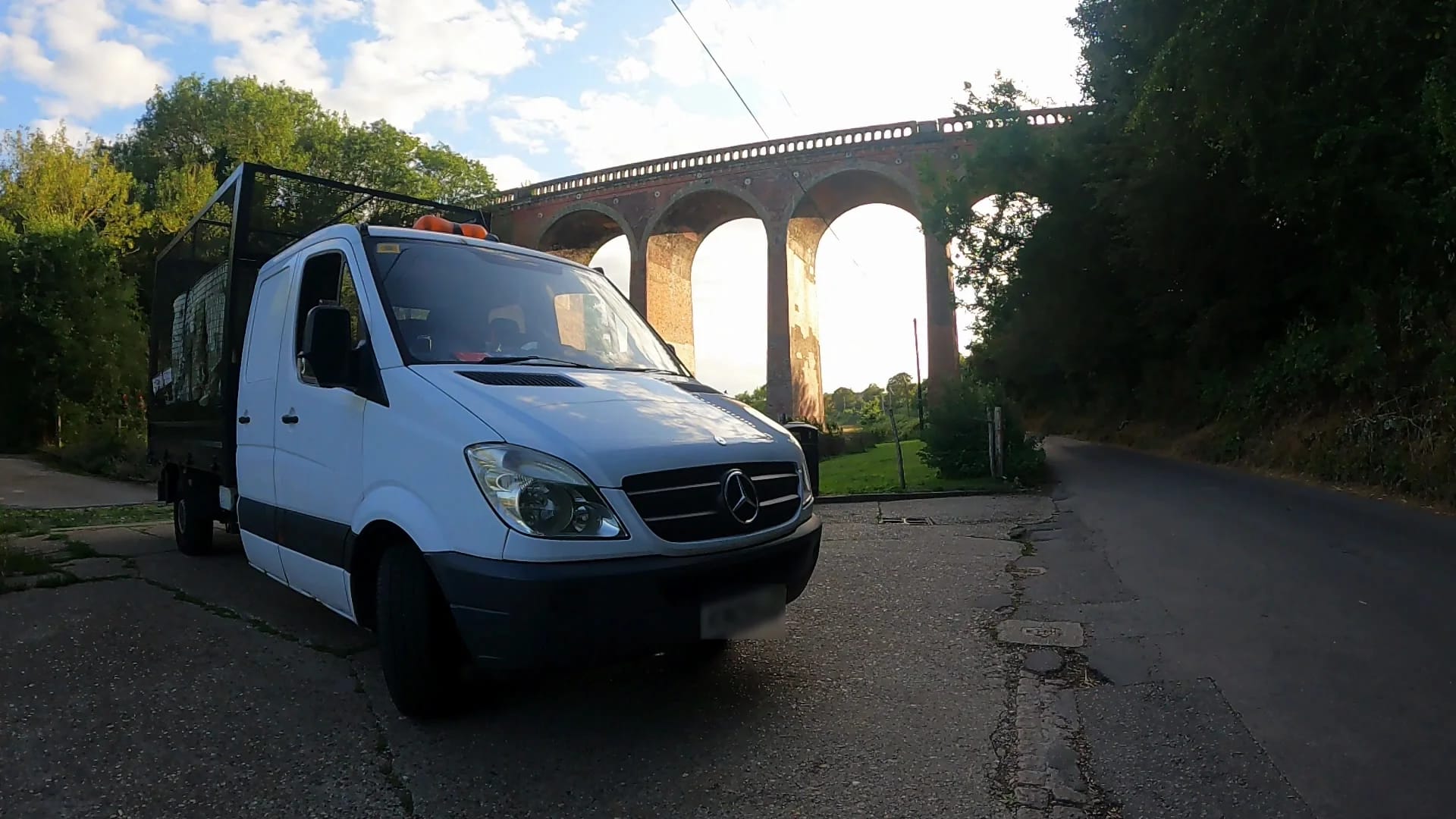
Our 4x4 fleet can tow a wide range of production trailers. Capacity depends on the weight and specification of each unit, so we confirm the right vehicle for every job. To quote a honeywagon move, send us:
- The trailer: make, size or model, and its approximate weight. The hire company can tell you if you’re not sure.
- Pickup and drop-off: the yard or current base, and the new base or location, with a pin if the postcode is approximate.
- Timing: when it has to arrive and any windows when the site is closed.
- Site access: ground conditions, gates, height limits and exactly where the trailer should sit.
| Move | Price |
|---|---|
| Single trailer move | from £100 |
| Swings and unit moves | Quoted per job |
| Transport consultancy | Quoted per job |
Moves outside the M25 may carry a mileage charge, and costs directly linked to the job, such as tolls or zone charges, may be added where they apply.
6.Planning the whole unit’s transport
On bigger shoots, honeywagons are only one piece of the transport puzzle. Our transport consultancy helps productions plan which vehicles move what, where and when, so generators, welfare, water and lighting arrive in the right order without holding up the shoot.
And when the shoot wraps, the unit base still has to be cleared. We do that too: see our location manager’s waste checklist and film & TV waste removal.